Borophene 4.0 Grand Master Ceramic Coating in Colonie for UV damage, oxidation, and contaminants that dull and stain your finish
Lock In Gloss and Reduce Maintenance Cycles

Next Level Detailing installs Borophene 4.0 Grand Master Ceramic Coating on vehicles throughout Colonie, bonding a hardened protective layer directly to your paint that resists chemical staining, bird droppings, tree sap, and road salt. If you park outdoors frequently or drive in all seasons, you already see how quickly contaminants etch into clear coat and leave permanent marks. This coating creates a molecular bond that prevents those substances from penetrating the surface, giving you a finish that stays cleaner longer and requires less aggressive washing to maintain clarity. It includes a lifetime warranty and will also show up on the vehicle's CARFAX.
The system is engineered to produce extreme gloss by enhancing depth and reflectivity across every panel. Hydrophobic technology causes water to bead tightly and sheet off during rain, carrying dirt and grime with it instead of letting particles settle into the paint. You will notice that routine washes take less time because contaminants do not bond as strongly to the coated surface. The coating also resists swirl marks and light surface damage from automated car washes or improper drying techniques, though it does not eliminate the need for careful handling.
Book a consultation at our Colonie location to evaluate your paint condition and determine whether correction is needed before coating application.
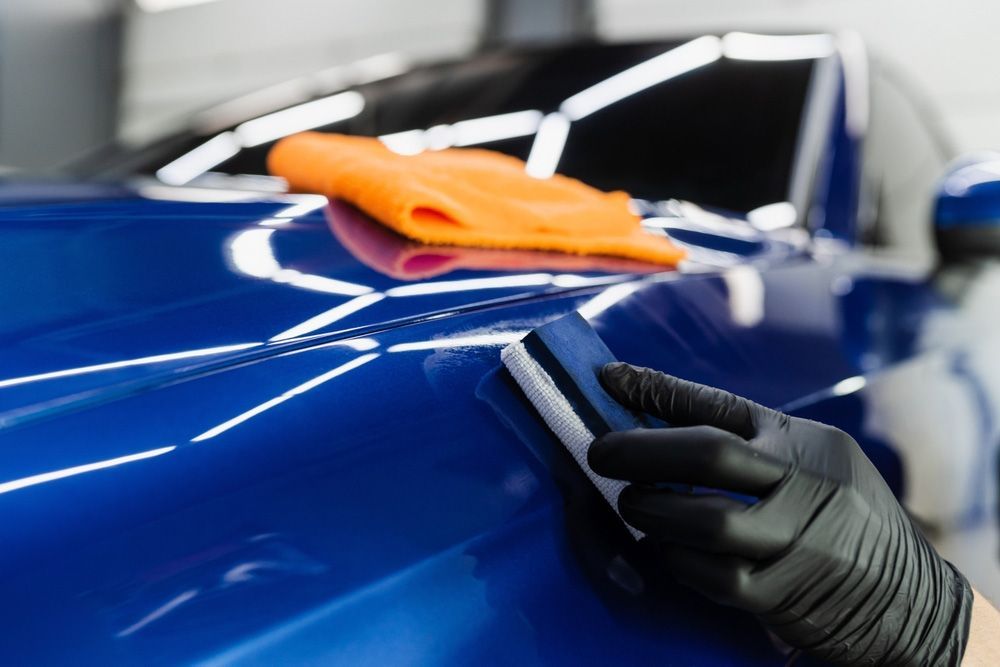
You schedule an appointment after we inspect your vehicle for scratches, oxidation, water spots, or embedded contaminants that would interfere with bonding. We perform a full decontamination wash, clay bar treatment, and paint correction using a multi-stage polishing process to remove defects and restore clarity. The Borophene formula is then applied panel by panel using applicator pads, working the liquid into the surface until it bonds at the molecular level. Curing time varies based on temperature and humidity, but most vehicles are ready within 24 to 48 hours.
Once cured, you will see a noticeable increase in gloss and color depth, especially under direct sunlight or showroom lighting. Water no longer sits on the surface but instead forms tight beads that roll off with minimal effort. Dust and light dirt brush off easily, and fingerprints or smudges wipe away without leaving residue. Next Level Detailing can pair this coating with Nanopro Liquid PPF to add impact resistance, creating a permanent protection system that handles both surface contamination and physical road debris.
The coating does not prevent rock chips, deep scratches from abrasive contact, or damage from improper washing tools. It focuses on chemical resistance, UV blocking, and hydrophobic performance. Maintenance involves pH-neutral soap, microfiber wash mitts, and air drying or soft towels to preserve the coating's integrity over time.
What Happens During Application and What You See After
Answers to Questions About Long-Term Ceramic Protection
Clients frequently ask about durability, maintenance requirements, and how the coating performs in varying weather conditions common to the Colonie area.
What specific damage does ceramic coating prevent?
It blocks UV oxidation, chemical etching from bird droppings and tree sap, water spotting, and environmental staining from road salt and industrial fallout. It will not stop rock chips or key scratches that penetrate the coating layer.
How does paint correction affect the final result?
Polishing removes existing scratches, swirl marks, and oxidation before the coating is applied, ensuring a smooth base for bonding. Without correction, the coating will lock in those imperfections permanently, making them more visible under the added gloss.
Why does water behavior change after coating?
The hydrophobic layer reduces surface tension, causing water to form tight beads with contact angles above 110 degrees. This behavior prevents water from spreading and allows gravity and airflow to remove it quickly, reducing water spots and mineral deposits.
Can the coating be applied to plastic trim, headlights, or glass?
Yes, the formula bonds to painted surfaces, clear plastic, polycarbonate lenses, and glass. We adjust application technique and curing time based on the material to ensure proper adhesion and longevity.
How often should a coated vehicle be washed in Colonie winters?
You should wash every two weeks during salt season to prevent buildup that can interfere with hydrophobic performance. Use a touchless or two-bucket method with pH-neutral soap to avoid introducing scratches during the cleaning process.
If you want maximum gloss, reduced maintenance effort, and long-term protection from environmental damage, contact Next Level Detailing to schedule a paint evaluation and discuss the right combination of correction and coating for your vehicle.